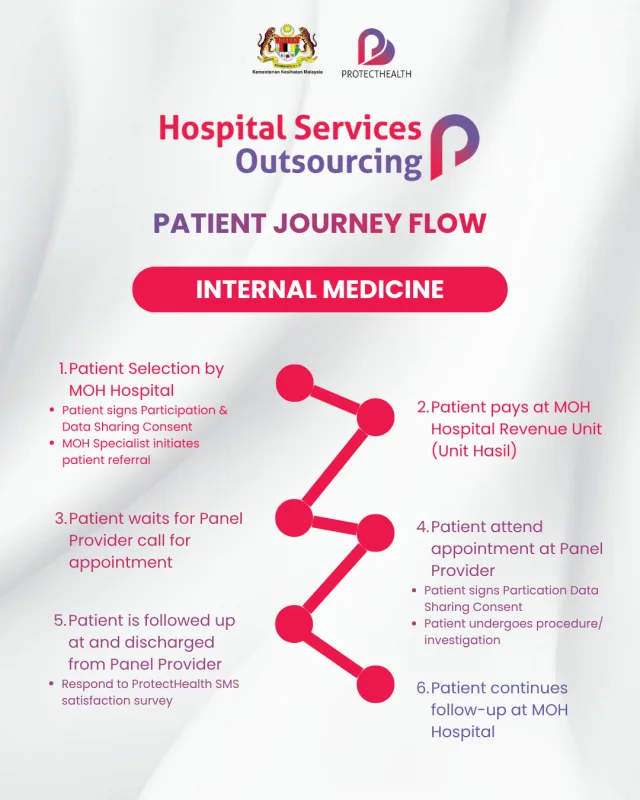
In 2025, the Government has established the Jawatankuasa Bersama Peringkat Menteri untuk Kos Penjagaan Kesihatan Swasta (JBMKKS) and adopt a R.E.S.E.T framework to combat the rising medical inflation in the country. One of the government initiatives through R.E.S.E.T Framework is to transform private health provider payment mechanism from fee-for-services (FFS) to Diagnosis-related Groups (DRGs) in phases.
ProtectHealth is a not-for-profit organisation under the Ministry of Health, is appointed to collect data from private hospital to support the development of a robust and representative DRG payment structure
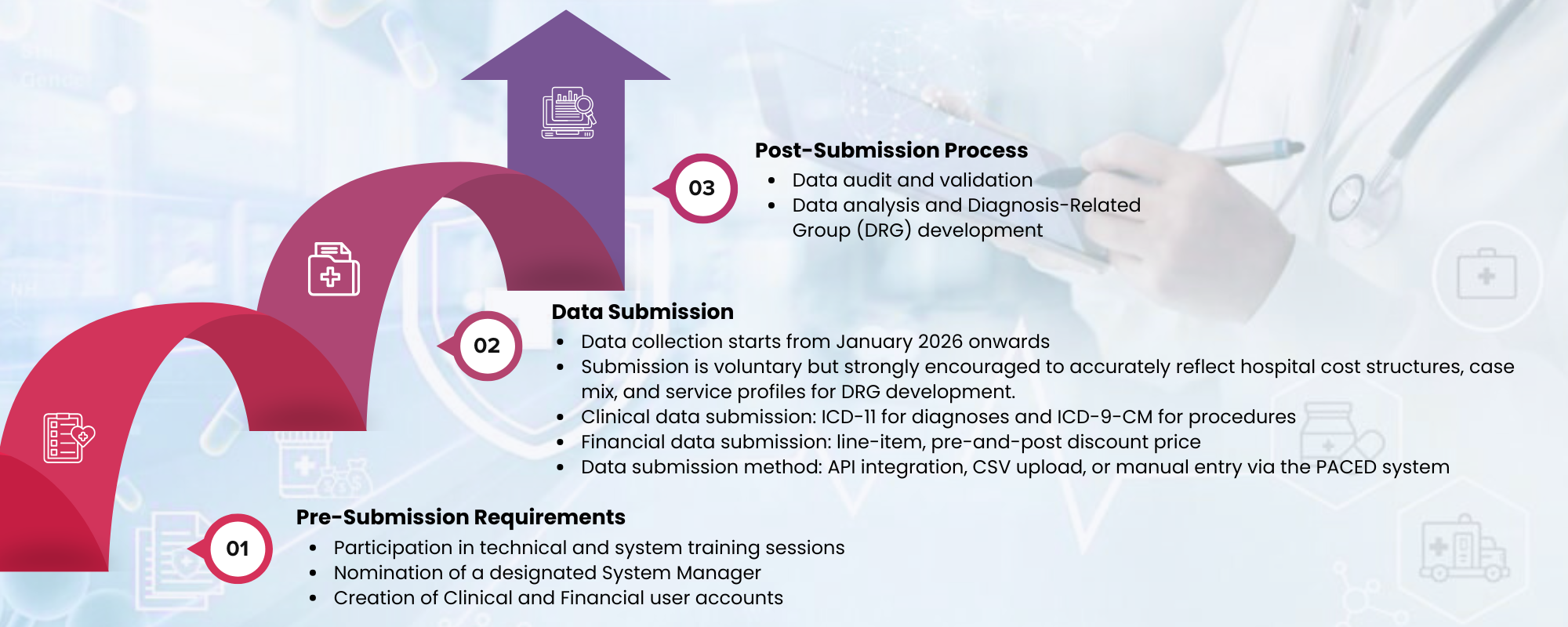
 Price, Admission & Clinical Electronic Datahub (PACED) is a system developed by ProtectHealth Corporation Sdn. Bhd. to standardize, validate, and integrate clinical and financial data across private healthcare facilities.
PACED ensures consistent case grouping and reliable health system reporting through a structured, end to-end data journey. It enables hospitals to capture and validate clinical information, manage financial and billing data, and connect seamlessly with hospital information systems for automated data exchange.
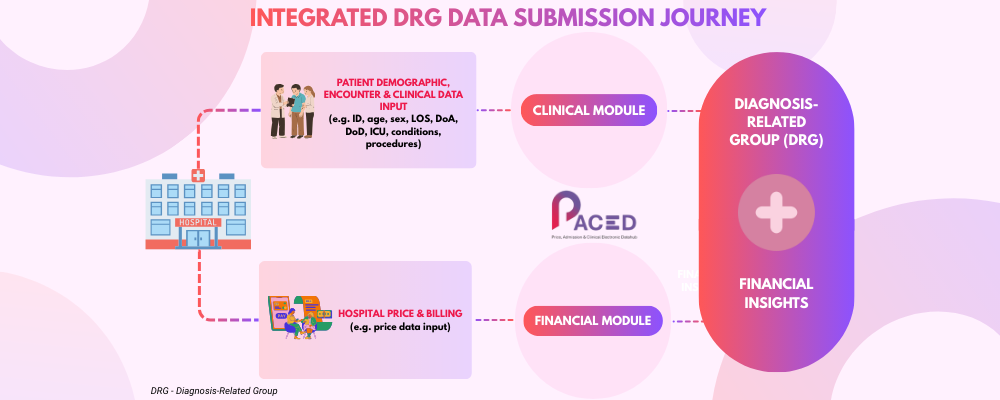
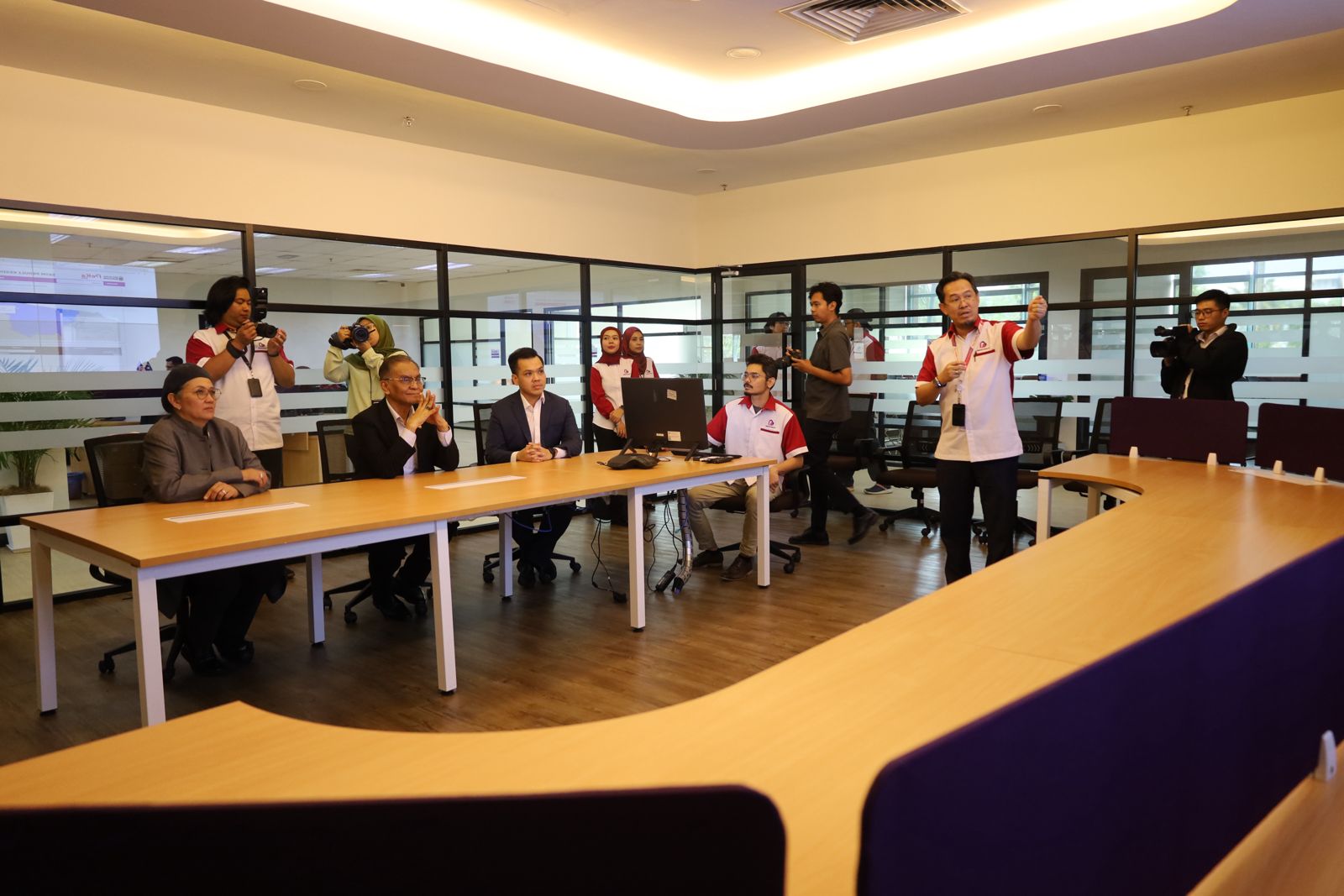
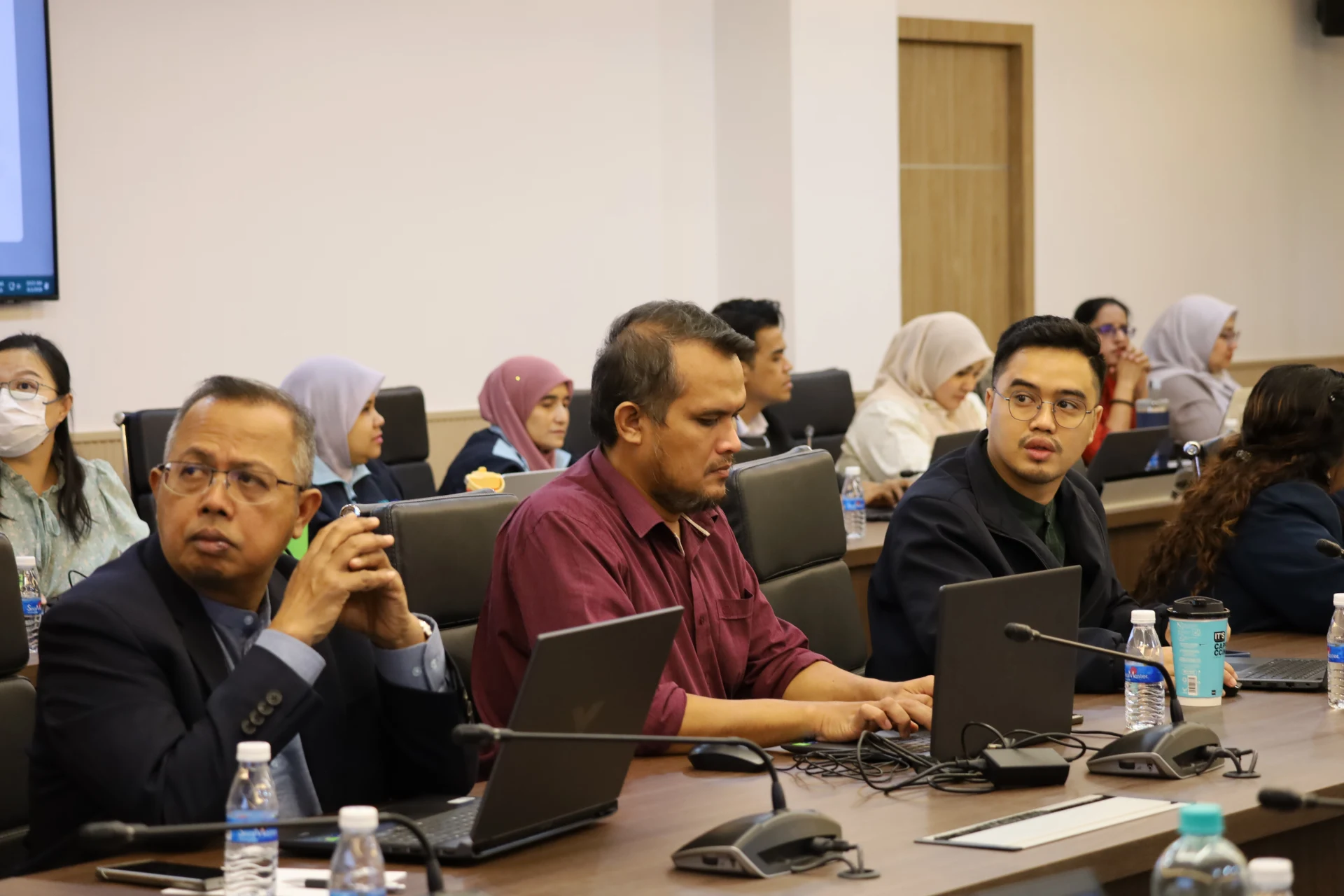
The Project DRG training equips hospital staff with the skills to use the PACED system, covering data
standards, clinical and financial data capture, and system integration.
Module 1 – General Introduction to Project DRG (Online & Physical Sessions available)
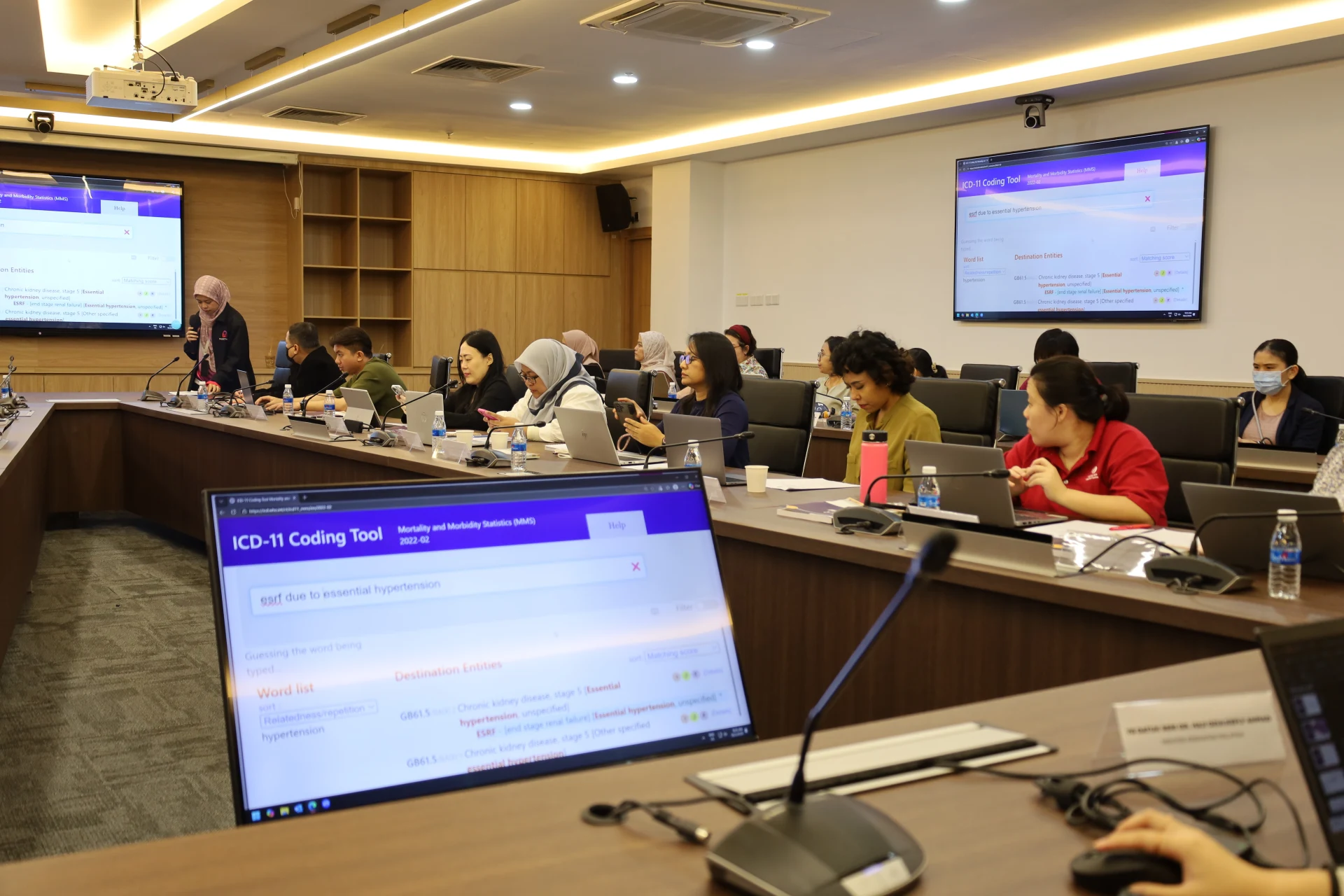
Module 2 – Clinical Coding (Physical Sessions only)
Module 3 & 4 – PACED System Training for Clinical & Financial Users (Online Sessions only)
Module 5 – API Integration (Online Sessions only)
Module 1
Module 2
Module 3 & 4
Module 5
to be updated
Diagnosis-Related Group (DRG) is a way of paying hospitals for the case treated, rather than for every individual service delivered. Hospital cases are grouped by diagnosis, procedure and severity. Each group carries a fixed, pre-determined price covering the whole inpatient stay, including tests, medicines, procedures, room and board, nursing and doctors’ fees.
DRG will apply to MediAsas, the base medical and health insurance and takaful (Base MHIT) product announced by the Malaysian Government in July 2026. DRG is one of the featuresthe key feature that sets MediAsas apart from other voluntary health insurance products.
Under the current fee-for-service system, hospitals are paid for each individual service delivered. This can encourage more treatment than necessary and contributes to medical inflation and rising premiums. DRG shifts the incentive from treatment intensity volume to efficiency and appropriate care. It is designed to keep private healthcare affordable and sustainable, while protecting the quality of care patients receive. DRG payment has been used internationally since 1983. Malaysia is adapting it to reflect local private hospital practices and costs.
ProtectHealth Corporation is a not-for-profit organisation under the Ministry of Health. We work to make healthcare more affordable, accessible and focused on value for communities across Malaysia. We have been mandated to coordinate, administer and manage the Diagnosis-Related Group payment under MediAsas.
Diagnosis-Related Group (DRG), is a case-mix classification system that groups hospital patient episodes according to their clinical characteristics and expected resource use. For hospitals, it supports cost management, standardised clinical pathways and performance monitoring. For payors, DRG payment is a payment mechanism that aligns incentives with efficiency and appropriate use of healthcare resources. It is a carefully phased, evidence-based reform that pays for the case treated rather than the volume of services delivered for each episode of care.
Fee-for-service pays for each service delivered when treating a patient, which can incentivise overutilisation. Under DRG payment mechanism, each hospitalisation episode is paid a fixed, pre-determined price according to the group it is assigned to, based on diagnosis, procedure and severity. The price is typically derived from the average cost of treating cases within that group, including an appropriate margin for providers. This shifts the incentive from intensity of treatment to efficiency and appropriateness of care, while maintaining quality.
The DRG-based payment mechanism is expected to be introduced progressively under the MediAsas Plan. The implementation approach and phasing strategy are currently being finalised in consultation with stakeholders.
Subject to readiness, the phased rollout is targeted to commence from January 2027, alongside the full implementation of MediAsas. The initial phase is expected to cover a defined scope of payment components or portion, with gradual expansion as the payment mechanism, operational readiness and stakeholder adoption mature.
MediAsas is introduced to improve the sustainability of the private health insurance system. DRG payment mechanism complements this by aligning payment incentives and clinical practices with efficient use of healthcare resources. Introducing them together aligns financing reform with payment reform.
No. There is currently no plan to extend this DRG payment to other policies. Any future application to other insurance products would be subject to separate policy considerations and stakeholder consultation.
The introduction of MediAsas provides a timely opportunity to align financing reform with payment reform. Implementing DRG payment now helps ensure the long-term sustainability of the private healthcare and insurance system. Delaying structural reform would risk further escalation in healthcare costs and MediAsas premiums.
Malaysia will adopt the same core principles of DRG payment mechanism, with modifications to reflect the local context, particularly private hospital clinical practice patterns and cost structures. DRG-based payment has been used internationally since 1983, and countries typically adapt the framework to their own context. We are adapting DRG groupers available in Malaysia and the region and validating them against actual data submitted by private hospitals.
Patients would continue to receive the same quality of care. In many cases, care delivery may become more consistent through standardised clinical pathways, which reduce variation, minimise errors and can support faster recovery.
No. The Severity of Illness dimension of the DRG grouper ensures more complex cases are assigned to higher-weighted groups and compensated accordingly. Hospitals are therefore properly compensated for managing more resource-intensive patients. In addition, appropriate transition measures will be incorporated during the early implementation to mitigate hospital financial risks associated with exceptionally high-cost cases.
DRG encourages providers to adopt structured clinical pathways and protocols, improve cost management and reduce unnecessary interventions. This can enhance both operational efficiency and care consistency, while maintaining quality of care
The Care Outcome and Fraud, Waste and Abuse function, managed independently by ProtectHealth, will monitor quality of care and link provider performance to outcomes, not cost alone.
In addition, readmission within short period for the same disease is not automatically recognised as separate episode. This removes incentive for early discharge or undertreatment.
DRG is expected to contribute to containing medical inflation by introducing fixed payments per episode, encouraging providers to optimise resource use while maintaining quality. Pricing may be reviewed and refined over time based on implementation experience, supported by ongoing monitoring of medical costs and periodic evaluation of the DRG payment mechanism.
ICD-11 is required for diagnoses, with ICD-10 accepted as an interim standard during the transition. ICD-9-CM is the required standard for procedures.
ITOs perform adjudication and audit of DRG claims, which detect and prevent upcoding. ProtectHealth, through a Care Outcome and Fraud, Waste and Abuse (COFWA) hub, enables all-sector analysis, information sharing and detection of upcoding.
We are adapting DRG groupers available in Malaysia and the region, and the grouper is being validated and modified against actual data from Malaysian private hospitals, so that it reflects local case mix, clinical practice patterns and resource use.
Every country that has adopted DRG has adapted the framework to its own context; that is standard international practice, not a shortcut. What would be unsound is to import a foreign grouper and apply it unchanged, and that is precisely what the validation work is designed to prevent.
The system is being developed under the leadership of the Ministry of Health, drawing on expertise from the MOH Case Mix Unit, technical input from World Bank DRG experts and experience-sharing from ASEAN DRG centres. ProtectHealth brings its own experience of administering case-based payment under the Hospital Services Outsourcing Programme.
The accuracy and reliability of the data are recognised as fundamental to the success of the DRG system. The development uses a structured approach to assess and improve data quality, including validation of submitted clinical and financial data, technical reviews with participating providers, and continuous refinement of coding practices.
As of June 2026, 48 training sessions have been delivered, involving 144 private hospitals, 9 ambulatory care centres, and 32 insurance and takaful operators and third-party administrators, with more than 2,600 participants. These efforts are intended to strengthen coding capability, improve consistency, and enhance the reliability of the data supporting DRG development and pricing.
These ensure that the DRG prices are built on progressively improving and validated data.
Key indicators will be tracked, including length of stay, cost patterns, case-mix distribution and quality outcomes such as readmission rates, together with any unintended behaviour such as under-provision or patient selection. That monitoring is what allows timely policy adjustment, and DRG pricing will be periodically reviewed, with the first major review expected within one to two years of implementation.
The PACED System is a secure digital platform developed to support the submission of standardised clinical and billing data under Project DRG.
It enables Private Hospitals to submit admission-level data in a structured and consistent manner, supporting data quality, transparency, benchmarking, and value-based healthcare objectives.
The PACED System enables hospitals to:
Data submitted is used for analysis and private DRG payment mechanism development.
The minimum dataset for DRG collection includes:
These data must be submitted through the PACED System for all case types, payers, and participating healthcare facilities.
No patient names or personal identification numbers (e.g., IC or passport number) are required at this phase of data collection
The DRG development and data submission processes are based on internationally recognized ICD coding standards to ensure consistency, comparability, and compatibility with global DRG methodologies. For diagnoses, ICD-11 is required, with ICD-10 accepted as an interim standard during the transition period. For procedures, ICD-9-CM is the required standard. These coding systems are widely used internationally for reimbursement and health system analysis.
It is important to note that SNOMED-CT will not be used for this DRG initiative. While SNOMED-CT may continue to be used by private hospitals for internal clinical documentation and decision support, it is not compatible with DRG logic and will not be used for DRG data submissions.
We recognise that transitioning to a new clinical coding standard requires careful planning and system readiness. To ensure broad and inclusive participation, submissions using ICD-10 are accepted as an interim arrangement during this phase.
While ICD-10 remains supported in the short term, hospitals are encouraged to plan for a gradual transition to ICD-11, which will be adopted as the long-term coding standard for the DRG system. ICD-11 supports more detailed and precise clinical documentation, enabling fairer and more accurate reimbursement, particularly for complex cases. Tailored training and technical support are provided to facilitate a phased and sustainable transition.
In short, participation using ICD-10 coding is fully supported, and assistance will be available to help organisations prepare for future requirements.
Access is restricted to authorised hospital personnel.
Each hospital must appoint a Project DRG System Manager, responsible for managing access and user permissions.
Hospitals must submit a System Manager nomination form, and PACED System access will be granted once ProtectHealth approves the nomination.
The System Manager is responsible for:
The System Manager does not need to be the hospital PIC. However, the appointment must be formally approved by the hospital PIC as per CKAPS licence or by the Hospital Director / Chief Executive Officer.
The PACED System supports two user roles, both managed by the System Manager:
Clinical Users:
Financial Users:
No. Hospitals may create as many Clinical and Financial Users as needed.
Responsibility for user governance, access control, and compliance remains with the System Manager.
10. What security measures protect PACED System access?
The PACED System is safeguarded by:
These measures ensure data confidentiality, system integrity, and cybersecurity.
Hospitals must submit:
Data may be submitted via:
Detailed guidance is provided in the PACED System manuals.
To support the development of an accurate, responsive, and representative DRG model, regular data submission is strongly encouraged, preferably on a daily or weekly basis. A consistent flow of data is essential to enable timely analysis and the establishment of reliable pricing benchmarks that benefit the overall system, including participating hospitals.
All data for the preceding month should be submitted no later than the 10th of the following month. Adherence to this guideline enables efficient processing and contributes to more precise DRG modelling that accurately reflects each hospital’s clinical and financial profile.
The DRG implementation follows a carefully planned, evidence-based process to ensure accurate patient classification, fair hospital payments, and improved efficiency in care management. The first formal prospective data collection phase is planned from January onwards and will serve as the foundation for developing the initial DRG payment model. Following this initial phase, data submission is expected to transition into a continuous, ongoing process to support regular updates, recalibration, and refinement of the DRG system, ensuring it remains accurate, current, and equitable over time.
Comprehensive training and dedicated support are available to ensure smooth and accurate data submission, including guidance on clinical coding (ICD-10, ICD-11, ICD-9CM), DRG documentation best practices, and technical platform support.
It enables Private Hospitals to submit admission-level data in a structured and consistent manner, supporting data quality, transparency, benchmarking, and value-based healthcare objectives.
Yes. The platform is API-ready and designed to support seamless integration with existing Hospital Information Systems (HIS), thereby simplifying and automating the data submission process. Hospitals are encouraged to adopt this direct integration approach where feasible.
Comprehensive technical documentation, including API specifications and detailed data structures, is available to support system integration. Hospitals wishing to proceed or obtain the relevant documentation may contact the technical support team at [email protected] for further assistance.
For further information, please contact:




Website Terms & Conditions for ProtectHealth.