Introduction
The Ministry of Health (MOH) has allocated budget for the implementation of MOH hospital patient outsourcing to Private Healthcare Facilities (Kemudahan Perkhidmatan dan Jagaan Kesihatan Swasta – KPJKS) and Private Medical Centres under University Teaching Hospitals (Pusat Perubatan Swasta di bawah Hospital Pengajar Universiti – PPS-HPU) involving surgical, non-surgical and diagnostic imaging services in the health budget. The Hospital Services Outsourcing Programme (HSOP) has been implemented since 18 July 2024 as a strategic initiative to enhance access to healthcare services through collaboration public private partnership. The programme is designed to achieve three key objectives, namely reducing waiting times, alleviating congestion, and enhancing service delivery at MOH facilities.
To achieve the objectives, ProtectHealth Corporation Sdn. Bhd ProtectHealth), a company under the Ministry of Health, will be the strategic partner that implements outsourcing. Allocations will be given to hospitals according to workload, needs, and waiting time to meet the objectives. This year, the outsourcing will start by focusing on 12 services namely:
- Cardiothoracic Surgery
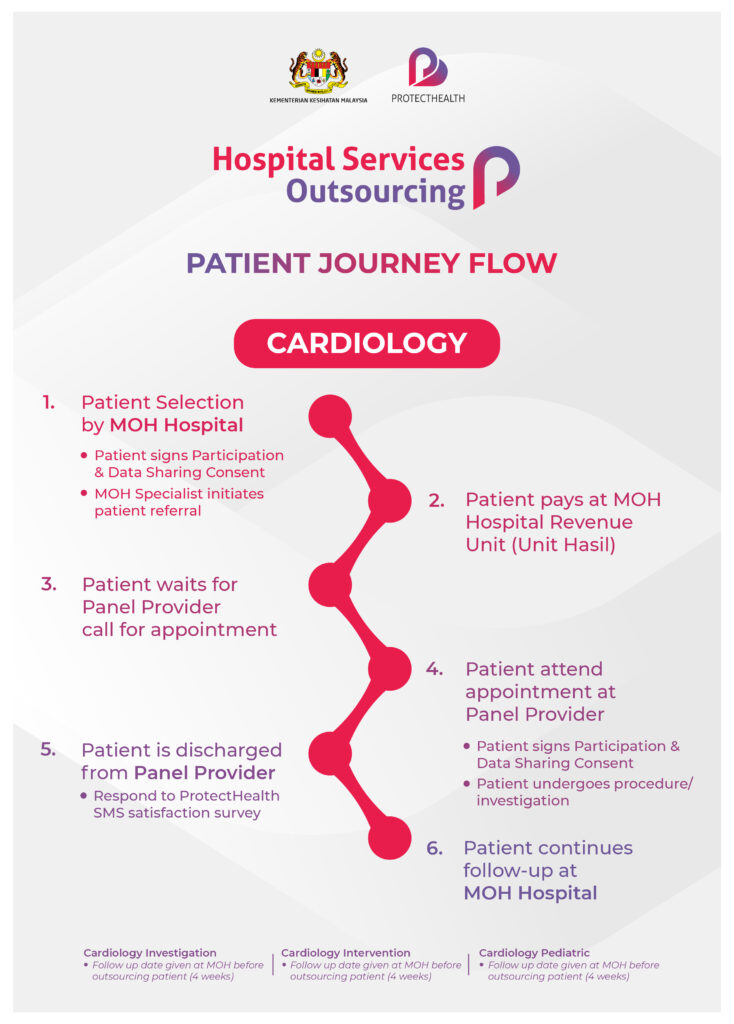
- Cardiology
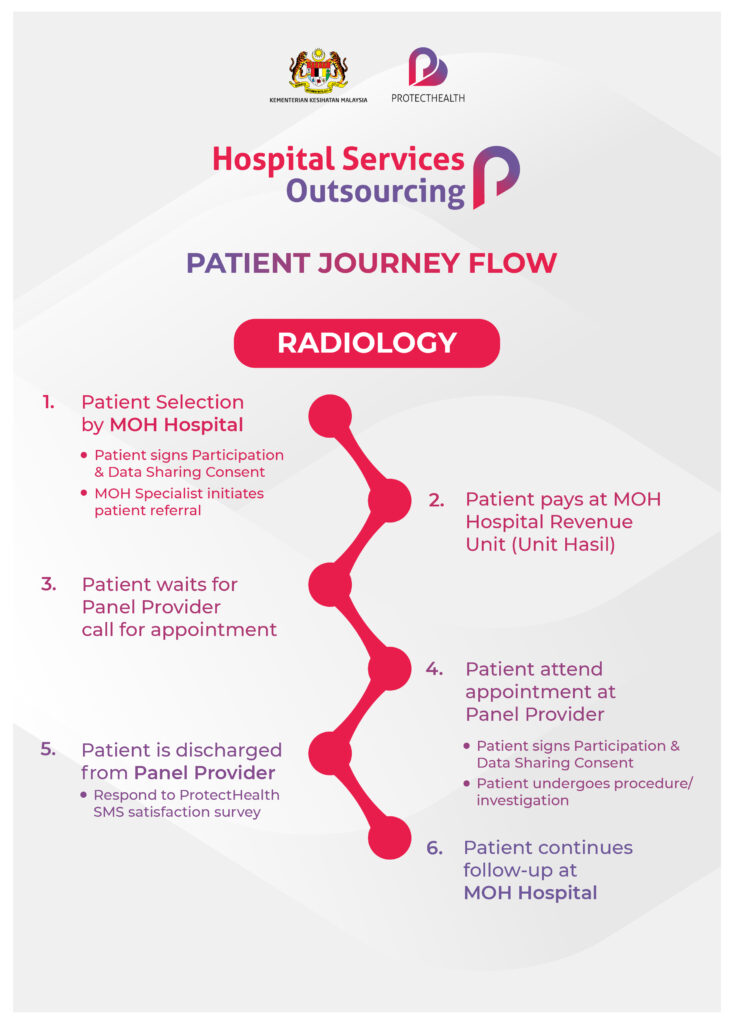
- Radiology & Imaging
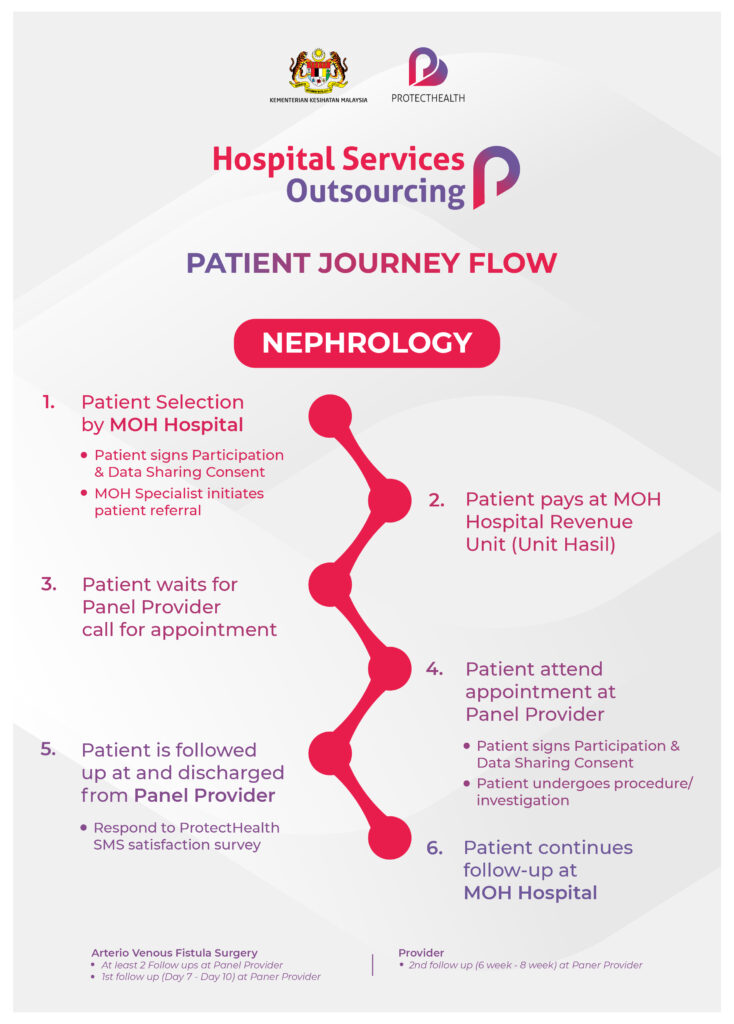
- Nephology (for Arteriovenous Fistula Surgery only)
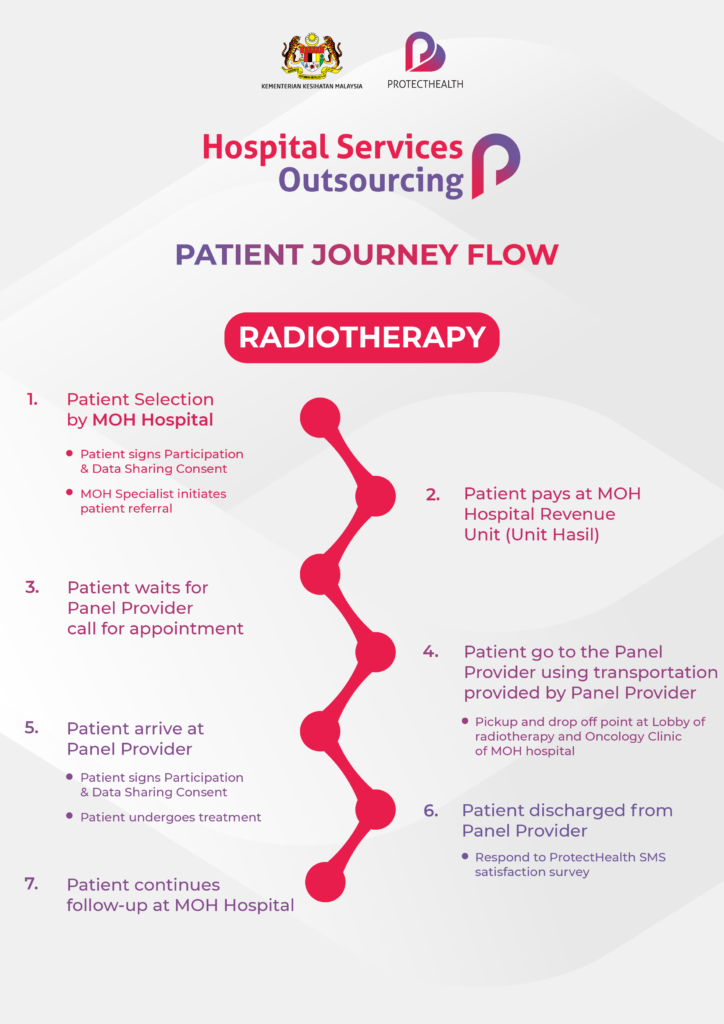
- Radiotherapy
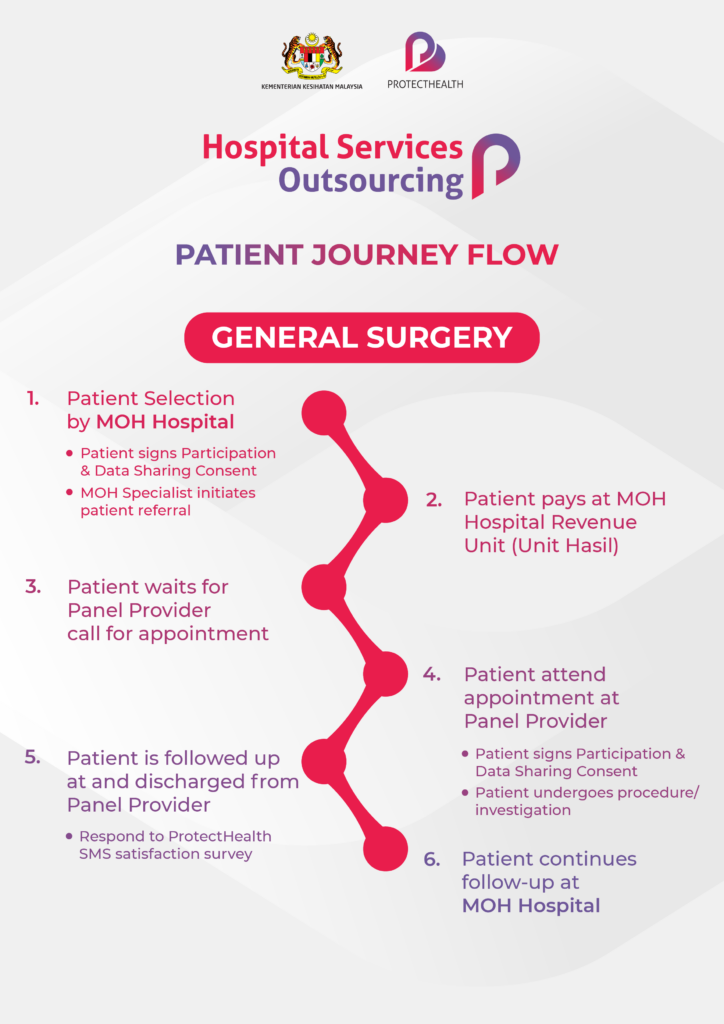
- General Surgery
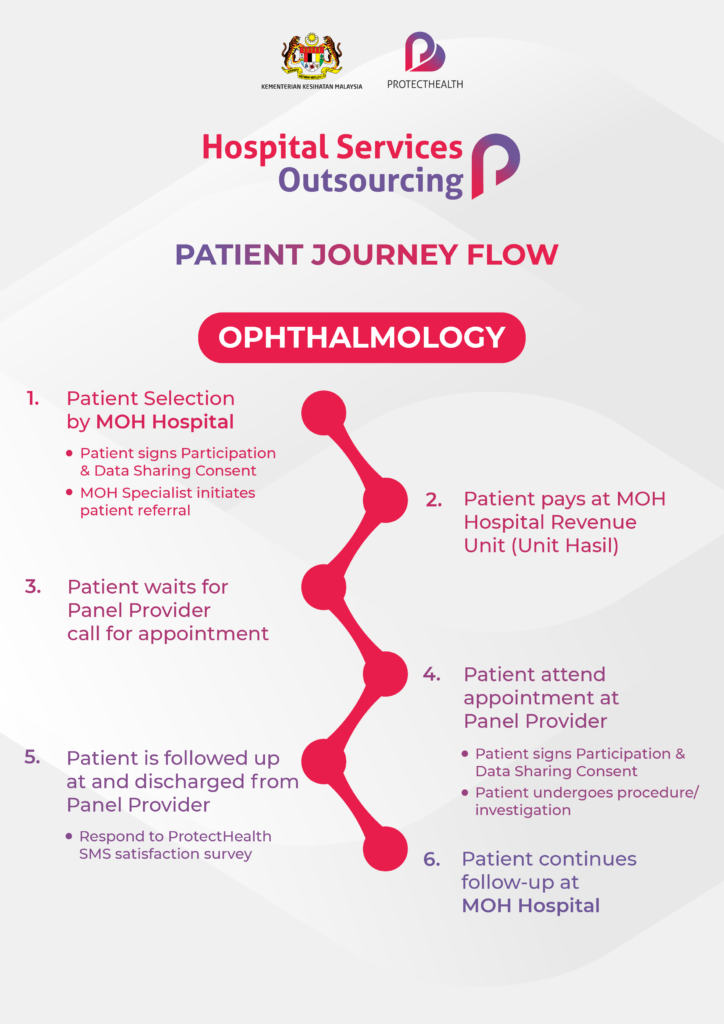
- Ophthalmology
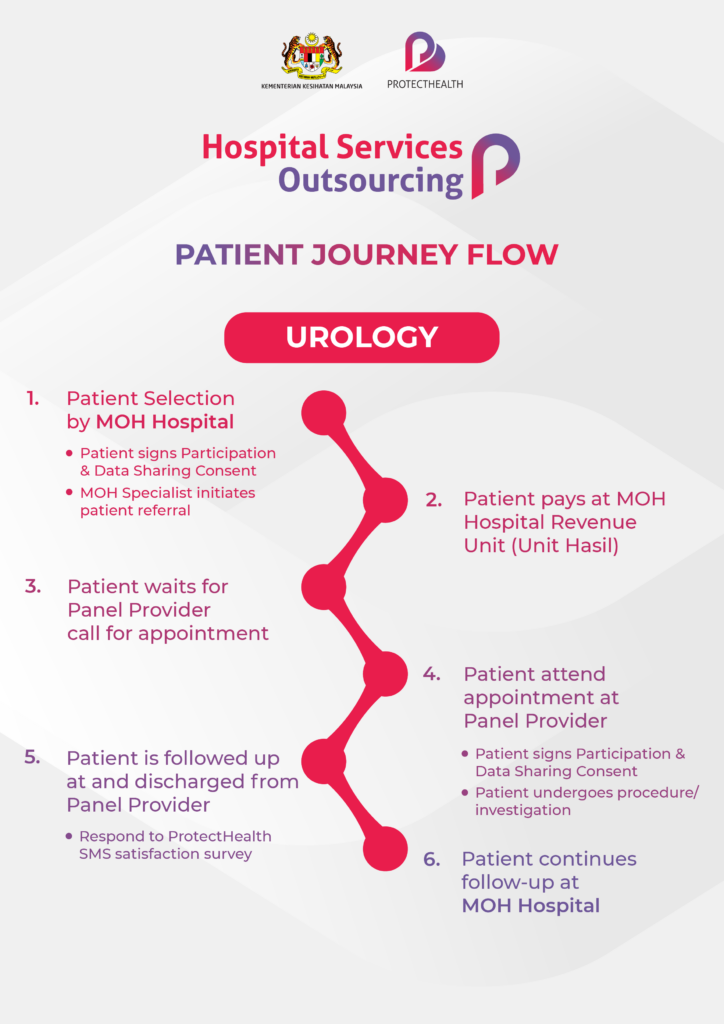
- Urology
- Nuclear Medicine
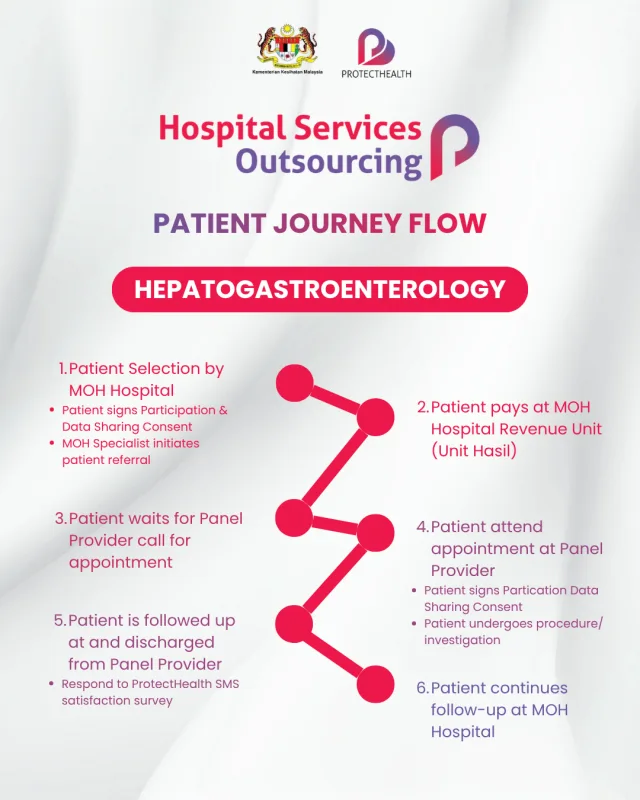
- Hepato-Gastroenterology
- Internal Medicine
- Paediatric Cardiothoracic Surgery
Hospital Services Outsourcing Program (HSOP)
1. How does the Hospital Services Outsourcing Program align with the Ministry of Health’s objectives?
The program focuses on reducing waiting times, alleviating congestion, and improving services at MOH facilities by outsourcing specific services to private healthcare facilities.
2. What is hospital outsourcing, and how does it benefit the healthcare system?
Hospital outsourcing involves partnering with external service providers to handle specific functions or processes within a hospital. This can lead to cost savings, increased operational efficiency, improved service quality, and access to specialized skills. In the context of this program, certain healthcare services will be outsourced to private facilities.
3. Who is overseeing the outsourcing program, and how is it being implemented?
Medical Development Division (Bahagian Perkembangan Perubatan) of Ministry of Health is overseeing the outsourcing program and ProtectHealth Corporation Sdn Bhd, a company under the Ministry of Health, is the strategic partner implementing the program. Allocations will be distributed to states and hospitals based on workload, needs, and requests waiting time to achieve the program’s objectives.
4. What are the key services targeted for outsourcing in 2026?
The focus of outsourcing for the year encompasses Cardiothoracic Surgery, Cardiology, Radiology, Nephrology, Radiotherapy, General Surgery, Ophthalmology, Urology, Nuclear Medicine, Hepato-Gastroenterology and Internal Medicine services.
This includes the following subservices:
a. Cardiothoracic (CTC)Surgery
- Adult CTC
- Coronary Artery Bypass Grafting (CABG)
(Tiering: Low Risk, Medium Risk, High Risk)
- Paediatric Cardiothoracic Surgery
- Ventricular Septal Defect (VSD) Repair
- Atrioventricular Septal defect (AVSD) Repair
- Coarctation of Aorta (CoA) Repair
- Interrupted Aortic Arch (IAA) Repair
- Total Anomalous Pulmonary Venous Drainage (TAPVD) Repair
- Arterial Switch Operation (ASO)
b. Cardiology
- Cardiology Intervention
- Percutaneous Coronary Intervention (PCI) (Inpatient)
- Percutaneous Coronary Intervention (PCI) (Outpatient)
- Cardiology Investigation
- Exercise Stress Test
- Holter Monitoring
- Stress Echocardiography
- Transoesophageal Echocardiography (TOE)
- Transthoracic Echocardiography (TTE)
c. Radiology& Imaging
- Computed Tomography (CT scan)
- Magnetic Resonance Imaging (MRI)
- Ultrasound
- Cardiac CT scan
- Cardiac MRI
d. Nephrology
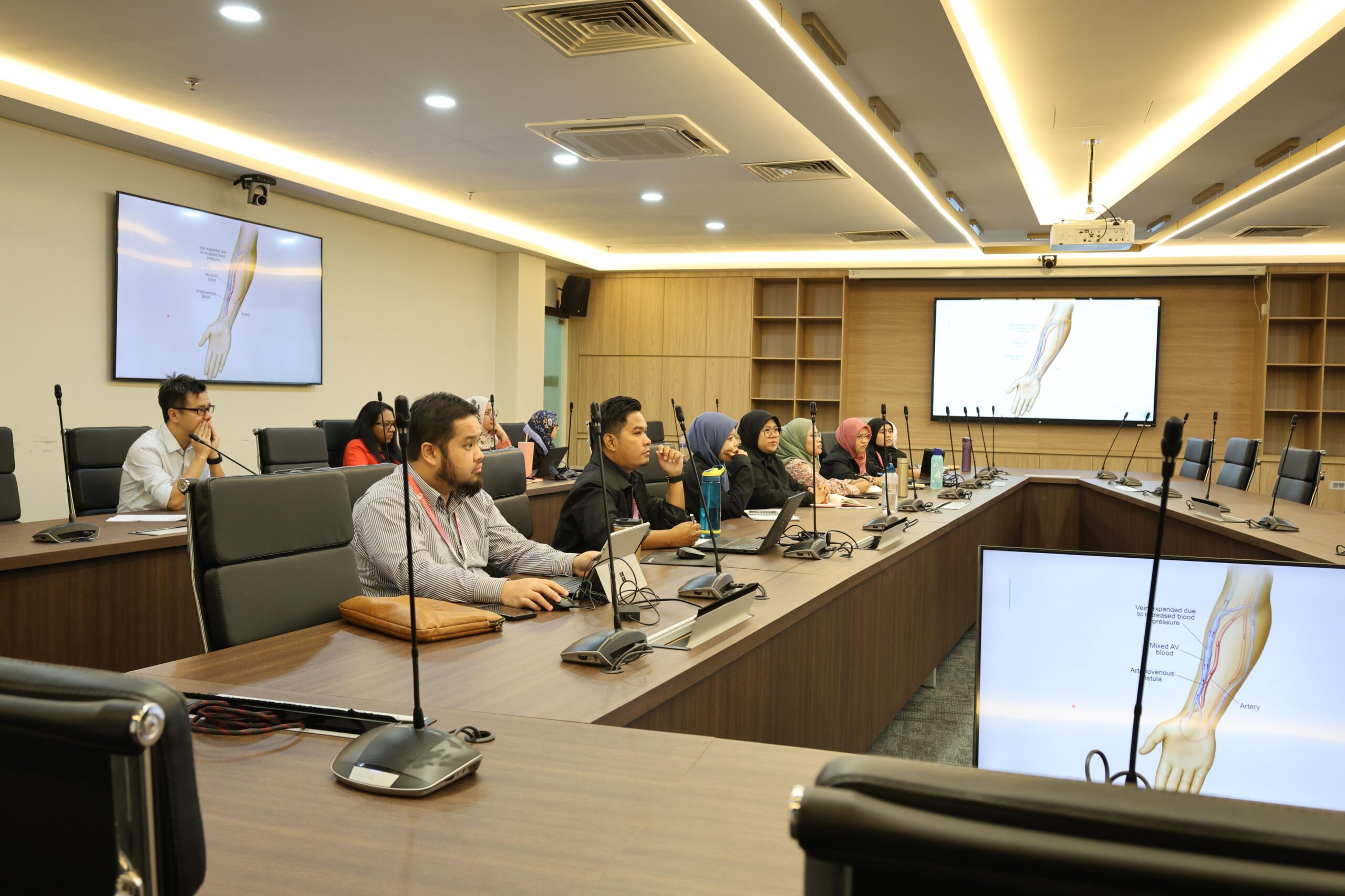
- Arteriovenous Fistula (AVF)
(Basic & Complex AVF)
e. Radiotherapy General Surgery
- 3D Cancer Breast (Three-Dimensional (3D) Radiotherapy)
- Prostate cancer (Intensity modulated radiotherapy (IMRT) or volumetric modulated arc therapy (VMAT)
- Pelvic Cancer (Three-Dimensional (3D) Radiotherapy)
f. General Surgery
- Inguinal Hernia Repair
- Colonoscopy
g. Ophthalmology
- Automated Visual Field Perimetry (AVFP)
- Optical Coherence Tomography (OCT)
h. Urology
- Percutaneous Nephrolithotomy (PCNL)
- Retrograde intrarenal surgery (RIRS)
i. Nuclear Medicine
j. Hepato-Gastroenterology
- Transient Elastography (Fibro Scan)
k. Internal Medicine
- Bone Mineral Densitometry (BMD) (DEXA Scan)
- DEXA Scan: Hip & Spine
- DEXA Scan: Hip, Spine & Forearm
5. What is the expected impact of the Hospital Services Outsourcing Programin 2025?
Based on the needs and current delivery status of clinical, MOH selects MOH hospitals and allocate the number of patients that can be outsourced under HSOP. ProtectHealth anticipates benefiting approximately 40,000 patients through the program in 2026. The initiative aims to enhance the delivery of healthcare services.
6. What isProtectHealth’s commitment to collaboration between public and private healthcare entities?
ProtectHealth is committed to fostering collaboration between public and private healthcare entities to ensure the successful implementation of the Hospital Services Outsourcing Program and enhance healthcare services for the community.
7. When is the project scheduled to begin and endfor this year?
The official commencement and end dates of the project will be announced in due course.
8. How areservicesbeing outsourced in this program?
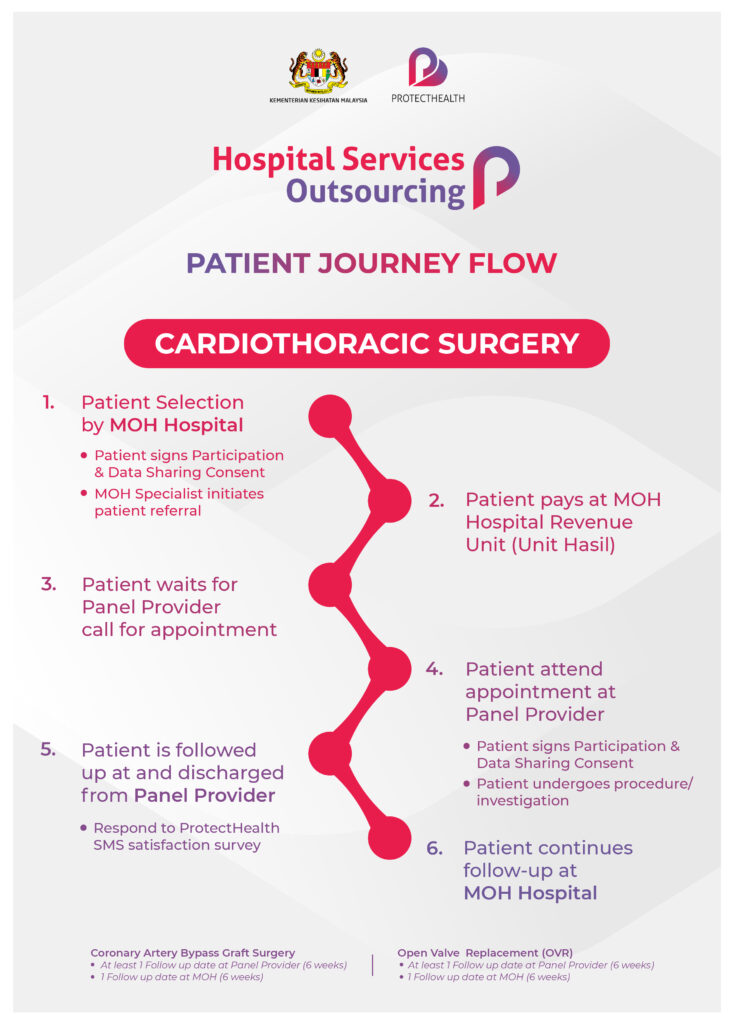
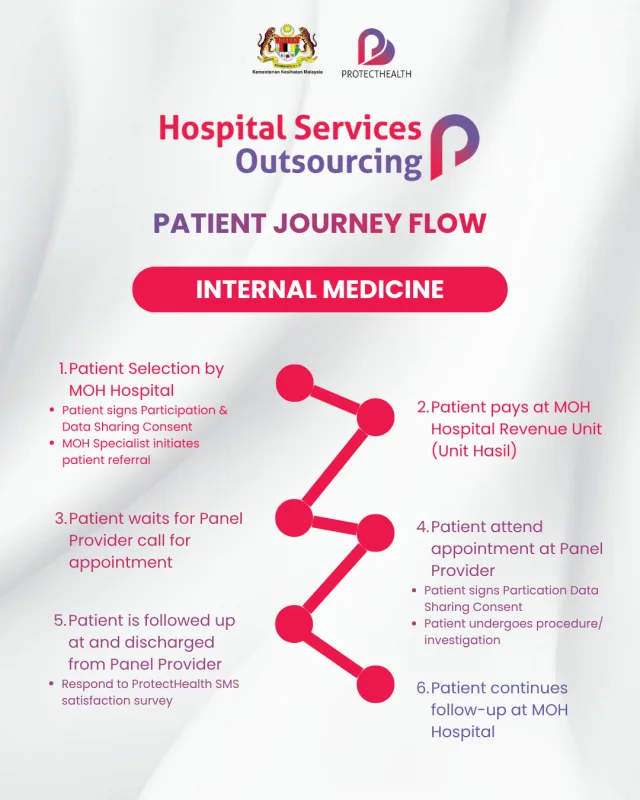
Patients are referred from MOH hospitals to Private Healthcare Facilities (Kemudahan Perkhidmatan dan Jagaan Kesihatan Swasta – KPJKS) and Private Medical Centres under University Teaching Hospitals (Pusat Perubatan Swasta di bawah Hospital Pengajar Universiti – PPS-HPU) through the digital system known as the Hospital Services Outsourcing System (HSOS).
9. How does MOH hospitalidentifypatients eligible for referral to panel providers under HSOP?
Patients eligible for referral are identified based on the criteria set by HSOP, which include patient medical condition and treatment needed, and availability of services at panel providers.
10. How are appointments scheduled for patients referred to panel providers under HSOP?
Appointments for patients referred to panel providers under HSOP are scheduled by the panel providers following the referral process from MOH hospitals.
11. How can MOH hospital provide feedback about the services provided by panel providers under HSOP?
Hospitals can provide feedback directly with ProtectHealth or through the designated contact point for HSOP at the Ministry of Health.
1. What is the Hospital Services Outsourcing Program(HSOP)?
HSOP is an initiative by the Ministry of Health (MOH) to outsource specific medical services to private hospitals. It aims to improve access to healthcare services and reduce waiting times for patients.
2. Who can participate as a Panel Provider in the HSOP?
Private hospitals and public university hospitals that meet the eligibility criteria set by the MOH can participate as Panel Providers in the HSOP. Panel Providers are selected based on their capacity, capability, and compliance with MOH specifications and standards.
3. What are the benefits of participating as a Panel Provider in the HSOP?
Panel Providers could contribute to enhancing healthcare accessibility and quality in Malaysia. Additionally, they benefit from patient referrals from MOH hospitals, which indirectly expands their patient pool.
4. What are the key services targeted for outsourcing?
The initial outsourcing focus for this year includes Cardiothoracic Surgery, Cardiology, Radiology, Nephrology, Radiotherapy, General Surgery, Ophthalmology, Urology, Nuclear Medicine, Hepato-Gastroenterology and Internal Medicine services.
5. How can private and university hospitals participate in the HSOP?
Private and university hospitals that are eligible and meet the criteria set by the MOH, including having the necessary facilities, equipment, qualified staff, and appropriate fees for service packages, can participate in the HSOP.
6. What is the process for a private and university hospital to join HSOP?
Private and university hospitals are required to submit an application to ProtectHealth Corporation Sdn. Bhd., which will assess the hospital’s eligibility. It should be noted that the onboarding process has since been finalised.
7. How are patients referred topanel providersunder HSOP?
Patients are referred by MOH hospitals based on specific criteria and guidelines set by MOH. The referral process is managed electronically through the digital system known as the Hospital Services Outsourcing System (HSOS).
8. How are payments handled for services provided under HSOP?
Payments are made by ProtectHealth directly to the panel provider based on the services provided and the agreed-upon rates.
9. How does HSOP ensure quality and safety standards are met by panel providers?
ProtectHealth conducts regular assessments and audits of participating private and university hospitals to ensure they adhere to quality and safety standards.
10. Will training be provided to Panel Providers participating in the HSOP?
ProtectHealth, in collaboration with Ministry of Health (MOH), will provide training to Panel Providers to ensure compliance with the HSOP guidelines and standards.
11. How can Panel Providers address issues or concerns related to the HSOP?
Panel Providers can address issues or concerns related to the HSOP by communicating directly with the ProtectHealth at email [email protected]
1. What is the Hospital Services Outsourcing Program (HSOP)?
HSOP is a Ministry of Health (MOH) initiative that allows public hospital patients to receive certain medical services at selected private and university hospitals to improve medical access and reduce waiting times at MOH hospitals.
2. How does HSOP benefit the public?
HSOP provides patients with faster access to medical services, reduces waiting times for procedures, and expands the options for healthcare providers.
3. What services are available under HSOP?
Services available under HSOP includes Cardiothoracic Surgery, Cardiology, Radiology, Nephrology, Radiotherapy, General Surgery, Ophthalmology, Urology, Nuclear Medicine, Hepato-Gastroenterology and Internal Medicine services.
4. How can a patient access services under HSOP?
Patients must be referred by a MOH hospital based on specific criteria and guidelines set by MOH.
5. Are there any charges for patients receiving services under HSOP?
Patients accessing services under HSOP may incur charges, which will be equivalent to the rates for services provided in MOH hospitals. These charges are payable at the Unit Hasil (Revenue Unit) at MOH hospitals.
6. How does HSOP ensure the quality of services provided by panel providers?
ProtectHealth and Ministry of Health (MOH) conducts regular assessments and audits of participating private and university hospitals (panel providers) to ensure they meet quality and safety standards.
7. Can patients choose which private hospital to go to under HSOP?
Patients are referred by consultant at the MOH hospitals to specific panel providers based on their medical needs and the availability of services at the hospital.
8. How are appointments scheduled for services at panel providers under HSOP?
Appointments for services at panel hospitals under HSOP are typically arranged by the panel providers following a referral from the MOH hospital.
9. How does HSOP ensure that patients receive timely and appropriate care at panel hospitals?
HSOP implements mechanisms including monitoring systems to ensure that panel hospitals adhere to standards of care and provide timely and appropriate services to patients referred under the program.
10. Can patients provide feedback or raise concerns about their experience with HSOP?
Yes, patients can provide feedback or raise concerns to referral MOH hospitals and ProtectHealth through the designated channels, such as emails or feedback forms under the program.